How AI and mHealth are Shaping the Future of Diagnostics
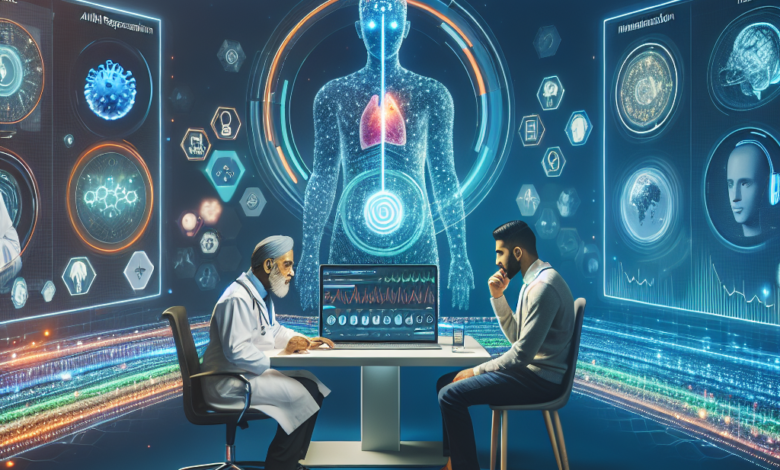
In the ever-evolving landscape of healthcare, artificial intelligence (AI) and mobile health (mHealth) are leading the charge toward a future where diagnostics are faster, more accurate, and increasingly personalized. Together, these technologies are revolutionizing how we understand, monitor, and manage health, creating unprecedented opportunities for early detection, real-time insights, and enhanced patient engagement.
The Rise of AI in Healthcare
AI has made significant inroads into various sectors, and healthcare is no exception. By leveraging vast datasets, machine learning algorithms can identify patterns that may elude human clinicians. Applications range from imaging analysis, where AI can detect anomalies in X-rays or MRIs, to predicting patient outcomes based on historical data.
Enhanced Diagnostic Accuracy
AI algorithms are trained to recognize a variety of diseases, often surpassing human specialists in areas such as radiology and pathology. For instance, AI systems can analyze medical images and flag potential issues much faster than traditional workflows would allow. This augmentative capability enables radiologists to focus on complex cases that require human judgment, thereby boosting overall diagnostic accuracy.
Predictive Analytics
Predictive analytics powered by AI can forecast potential health issues, enabling proactive care. For instance, AI algorithms can assess a patient’s electronic health records (EHR) to identify risk factors for diseases like diabetes or heart disease. Such insights can lead to preventive measures and targeted interventions, ultimately reducing healthcare costs and improving outcomes.
The Role of mHealth in Diagnostics
Mobile health, or mHealth, utilizes mobile devices and applications to promote health and wellness. The ubiquity of smartphones has made mHealth a game-changer in diagnostics, offering innovative ways to collect and analyze health data.
Continuous Monitoring
Remote patient monitoring is a hallmark of mHealth. Wearable devices such as smartwatches and fitness trackers can monitor vital signs like heart rate, blood pressure, and even glucose levels in real time. This continuous stream of data allows for the early detection of abnormalities, giving healthcare providers the tools they need to intervene before issues escalate.
Access to Information
mHealth applications also empower patients with knowledge about their health. Through intuitive interfaces, users can track their symptoms, medication adherence, and lifestyle choices. This not only encourages proactive health management but also enables healthcare providers to gain more insightful data on patient behaviors and conditions.
Integration: AI and mHealth Working Together
The synergy between AI and mHealth is particularly promising. For instance, mHealth applications can collect vast amounts of authenticated health data, which can then be analyzed by AI algorithms to yield insights that enhance diagnostics.
Personalized Medical Insights
By combining AI algorithms with mHealth data, healthcare providers can offer personalized recommendations based on individual lifestyles, preferences, and medical histories. Custom treatment plans that take into account a patient’s unique genetic makeup, environmental factors, and lifestyle choices can lead to more effective treatments and improved patient engagement.
Streamlining Processes
The integration of AI-powered analytics within mHealth platforms can streamline diagnostic processes. Chatbots and virtual health assistants can engage patients, gather preliminary symptoms, and guide them toward appropriate care pathways. Automating these processes reduces the burden on healthcare professionals while also improving the patient experience.
Challenges and Considerations
While the benefits of AI and mHealth in diagnostics are undeniable, several challenges remain. Data privacy concerns, regulatory complexities, and the need for robust cybersecurity measures are paramount. Additionally, the successful integration of these technologies requires a change in healthcare infrastructure and provider training.
Conclusion
AI and mHealth are indeed shaping the future of diagnostics, driving toward a more efficient, effective, and personalized healthcare landscape. These technologies are not just enhancing diagnostic accuracy and efficiency but are also empowering patients to take charge of their health. As they continue to evolve and integrate, we can anticipate a healthcare system that is smarter, more responsive, and ultimately transformative for both patients and providers. The future is bright, and with it comes the promise of better health outcomes for all.