User-Centered Design in mHealth: Creating Apps that Truly Benefit Patients
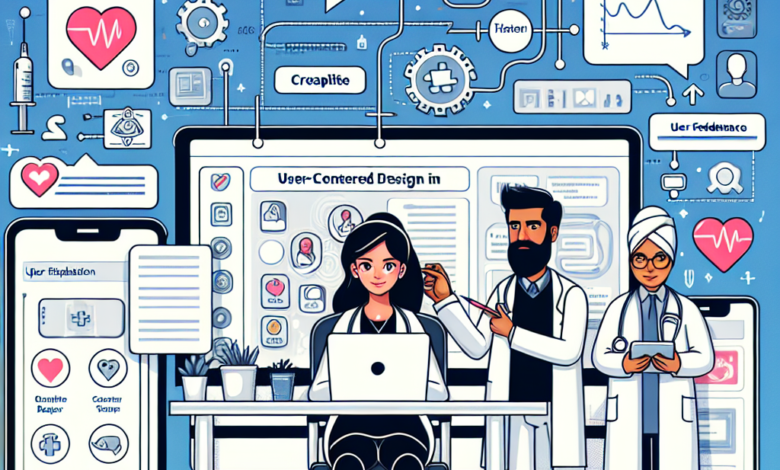
In recent years, the field of mobile health (mHealth) has emerged as a revolutionary approach to healthcare delivery, enhancing patient engagement, and providing valuable health information at unprecedented scales. However, the success of mHealth applications largely hinges on one critical factor: the design must be user-centered. This article explores the significance of user-centered design in mHealth, how technology supports human health, and the impact of designing apps that truly benefit patients.
The Foundation of User-Centered Design
User-centered design (UCD) is an iterative design process that prioritizes the needs, preferences, and behaviors of users at every stage, from conception through to development and usability testing. In the context of mHealth, this means that healthcare apps must be tailored to patient needs, encouraging regular use, promoting understanding, and ultimately improving health outcomes.
Key Principles of User-Centered Design
-
Empathy and Research: Understanding patients’ experiences and challenges is paramount. Through interviews, surveys, and focus groups, developers can gather valuable insights into the end-user’s preferences and barriers.
-
Iterative Design: UCD involves continuous feedback loops where designs are tested with users. This iterative process allows developers to refine the app based on real-world feedback.
-
Accessibility: An effective mHealth app should be usable by individuals with varying levels of health literacy, tech-savviness, and physical abilities. This entails considering diverse user needs and ensuring that the app is inclusive.
-
Usability Testing: Regular usability testing can unveil design flaws and areas for enhancement. Engaging real users in this phase ensures the product remains relevant and functional.
- Personalization: UCD encourages tailoring features and interfaces so patients feel a personal connection to the app, thereby enhancing their engagement and adherence to health regimens.
How Technology Supports Human Health
Technology has radically transformed healthcare delivery, leading to innovations that significantly improve patient care. Here are several ways it is supporting human health:
1. Real-Time Health Monitoring
Wearable devices and health-tracking apps enable patients to monitor their health metrics, such as heart rate, blood pressure, and glucose levels. This real-time data empowers patients to make informed decisions about their health and promptly seek help when necessary.
2. Improved Communication
mHealth applications facilitate clearer communication between healthcare providers and patients. Messaging systems, video calls, and chat functionalities remove barriers to access and enhance patient engagement, especially for those managing chronic conditions.
3. Data-Driven Insights
Big data analytics in mHealth allows providers to understand patient trends and outcomes on a broader scale. This data can be used to personalize treatment plans and predict health issues before they arise, fostering proactive care.
4. Patient Education and Empowerment
Apps can provide educational resources that empower patients with knowledge about their conditions. By offering personalized content, reminders, and advice, patients are more equipped to manage their health effectively.
5. Accessibility and Convenience
Mobile health technologies make healthcare services more accessible. By bridging geographical gaps and providing remote monitoring, patients can receive immediate care, even in underserved areas.
Designing Apps that Truly Benefit Patients
To create mHealth applications that genuinely benefit patients, developers must:
-
Engage Diverse Users: Involve a diverse group of users in the design process to ensure that varying perspectives and needs are addressed.
-
Focus on Functionality: Prioritize core functionalities that directly align with patient needs. The app should streamline processes, not complicate them.
-
Simplify User Interfaces: An intuitive user interface enhances user adoption. Complex navigation can deter users, particularly those who may not be tech-savvy.
-
Encourage Regular Use: Implement features like gamification, rewards for regular engagement, and personalized notifications to keep users consistently interacting with the app.
- Ensure Privacy and Security: Security is paramount. Users need to trust that their data is secure and used responsibly. Assuring strong privacy protections can foster greater use and trust in mHealth solutions.
Conclusion
User-centered design is essential for the success of mHealth applications. By placing the patient at the core of the design process, developers can create apps that not only meet but exceed the needs of users. As technology continues to support human health through analytics, real-time monitoring, and enhanced communication, the future of mHealth holds great promise. Ultimately, by leveraging user-centered methodologies, we can design applications that not only engage patients but also drive better health outcomes, creating a more connected and proactive healthcare system.