Understanding Slow Metabolism: Myths, Facts, and Solutions
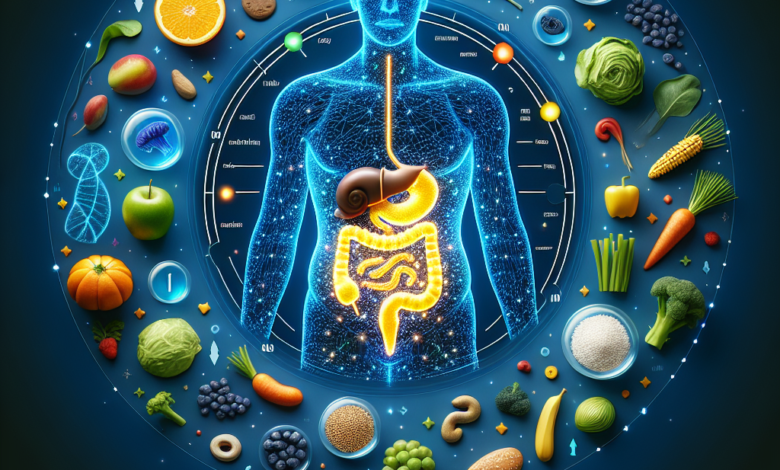
Metabolism is often at the forefront of discussions about weight loss, fitness, and overall health. Many people attribute their struggles with weight to having a “slow metabolism.” However, this term is frequently misunderstood. In this article, we will explore the truths and misconceptions surrounding slow metabolism and offer practical solutions to optimize metabolic health.
What is Metabolism?
Metabolism encompasses all the chemical processes that occur in the body to maintain life. These processes convert food into energy, allowing us to perform daily functions. It’s important to distinguish between two key components:
- Basal Metabolic Rate (BMR): The number of calories your body requires at rest to maintain essential physiological functions.
- Total Daily Energy Expenditure (TDEE): The total number of calories burned through all activities, including exercise, physical activities, and daily routines.
Common Myths About Slow Metabolism
Myth 1: Only Genetics Determine Metabolism
While genetics does play a role in metabolism, lifestyle factors such as diet, physical activity, and muscle mass significantly influence metabolic rates. Regular exercise, especially strength training, can enhance muscle mass, which increases BMR.
Myth 2: Eating Less is the Best Way to Boost Metabolism
Drastically reducing caloric intake can actually slow down your metabolism. When the body senses a caloric deficit, it can enter a “starvation mode,” conserving energy and slowing down metabolic processes.
Myth 3: Slow Metabolism is the Primary Cause of Weight Gain
While metabolism impacts weight, factors such as diet quality, physical activity, stress, sleep, and hormonal balance also contribute significantly to weight gain.
Facts About Slow Metabolism
Fact 1: Age and Metabolism
Metabolism tends to slow down with age, largely due to loss of muscle mass and hormonal changes. Staying physically active and maintaining a balanced diet can help counter this effect.
Fact 2: Thyroid Function Affects Metabolism
The thyroid gland plays a crucial role in regulating metabolism. Hypothyroidism (an underactive thyroid) can lead to a slowed metabolism, impacting weight and energy levels. Anyone suspecting thyroid issues should consult a healthcare professional.
Solutions to Optimize Your Metabolism
1. Increase Muscle Mass
Incorporate strength training exercises into your routine at least 2-3 times a week. Muscle burns more calories at rest compared to fat.
2. Stay Active
Aim for at least 150 minutes of moderate aerobic activity each week. Engaging in regular physical activity helps elevate your metabolism.
3. Improve Your Diet
Focus on balanced meals rich in whole foods, including lean proteins, healthy fats, and plenty of fruits and vegetables. Avoid highly processed foods high in sugars and unhealthy fats.
4. Stay Hydrated
Drinking enough water is essential for optimal metabolic functions. Even mild dehydration can affect your energy levels and metabolism.
5. Get Enough Sleep
Quality sleep is often overlooked but plays a vital role in metabolic health. Aim for 7-9 hours of restorative sleep each night.