The Future of Healthcare: How mHealth is Transforming Patient Engagement
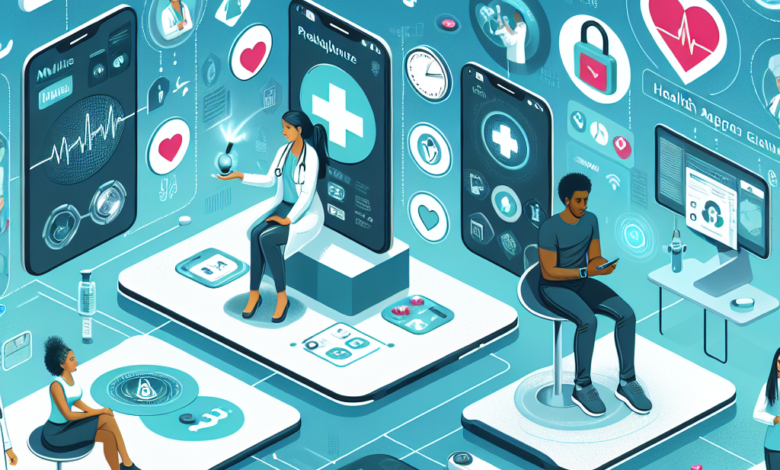
As we stride deeper into the 21st century, the healthcare landscape is being revolutionized by rapid technological advancements. Among these innovations, mobile health technology, or mHealth, stands out as a transformative force in enhancing patient engagement and elevating human health outcomes. This article explores how mHealth is reshaping the future of healthcare and the broader role technology plays in supporting human health.
Understanding mHealth
mHealth encompasses a wide range of health services and information delivered or enhanced through mobile devices, such as smartphones, tablets, and wearables. This sector includes mobile apps for health monitoring, telemedicine, health education, medication adherence tools, and data management systems. The goal is straightforward: to make healthcare more accessible, efficient, and personalized.
Enhancing Patient Engagement
1. Improved Communication
Effective communication between healthcare providers and patients is pivotal. mHealth technologies facilitate seamless communication through secure messaging systems, video consultations, and reminders for appointments or medication. Patients can connect with their healthcare providers from the comfort of their homes, ensuring they get timely advice and reducing the likelihood of missed appointments.
2. Patient Empowerment
mHealth tools empower patients to take an active role in their health journeys. Mobile applications offer access to personalized health information, educational resources, and self-management tools. For instance, diabetes management apps allow users to track blood sugar levels, diet, and exercise, fostering a sense of ownership over their health.
3. Health Monitoring
Wearable devices, such as fitness trackers and smartwatches, continuously monitor vital signs, activity levels, and other health metrics. This real-time data empowers both patients and healthcare providers to make informed decisions. For example, heart rate variability can help detect irregularities that prompt earlier medical intervention.
4. Managing Chronic Conditions
Chronic conditions, such as hypertension and asthma, require ongoing management. mHealth applications can facilitate remote monitoring, providing healthcare professionals with crucial data to adjust treatment plans accordingly. This proactive approach can significantly improve quality of life and reduce hospitalization rates.
The Role of Technology in Supporting Human Health
Beyond patient engagement, technology is reshaping healthcare delivery systems, enhancing both efficiency and effectiveness in the following ways:
1. Telehealth Advancements
The COVID-19 pandemic accelerated the adoption of telehealth services, making virtual consultations a standard practice. Telehealth helps bridge geographical gaps, offering care to patients in remote or underserved areas. By integrating mHealth solutions, these services allow for continuous patient monitoring and follow-up, greatly enhancing care continuity.
2. Data Analytics and AI
Big data and artificial intelligence (AI) are also playing a crucial role in healthcare. By analyzing vast amounts of health data, AI can identify patterns that lead to better disease prediction and management. Predictive analytics in mHealth apps can forecast potential health issues, allowing for preventative measures that can save lives.
3. Personalized Medicine
The future of healthcare leans towards personalized medicine, powered by genetic data and lifestyle factors. mHealth platforms can collect and analyze this information, enabling tailored treatment plans for individuals. Personalized approaches can lead to more effective interventions and better patient outcomes.
4. Enhancing Health Literacy
mHealth technology is not only about tracking health; it’s also about educating patients. Apps can deliver personalized health information to help patients understand complex medical conditions, treatment plans, and healthy lifestyle choices, thereby improving overall health literacy.
Challenges and Considerations
While mHealth holds immense promise, there are challenges to consider. Data privacy and security are paramount, as vast amounts of sensitive health information are shared through mobile platforms. Additionally, disparities in technology access among various populations may exacerbate health inequalities. Finally, the healthcare system must ensure that patients are adequately trained to use these technologies to their full potential.
Conclusion
As we move forward, mHealth represents a cornerstone of modern healthcare, revolutionizing patient engagement and redefining the doctor-patient relationship. Technology’s integration into healthcare systems not only supports individual health but also enhances public health on a larger scale. To harness the full potential of mHealth, stakeholders must collaborate to address challenges, ensuring that these innovations lead to equitable health improvements for all. The future of healthcare is bright, driven by the synergy of technology and human health.