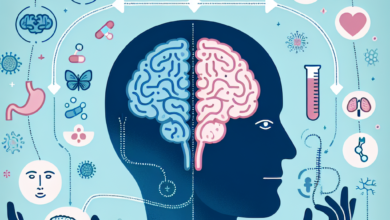
“The Impact of Sleep on Mental Health: New Insights from Neuroscience”

Sleep has always been a critical component of well-being, but recent advances in neuroscience have provided new insights into its profound effects on mental health. As researchers delve deeper into the mechanics of sleep, the correlation between sleep quality and mental health issues becomes increasingly evident.
The Neuroscience of Sleep
Understanding the brain’s activity during sleep is essential for comprehending its impact on mental health. Neuroscientific studies indicate that sleep is not a passive state but rather a complex process involving:
- Sleep Stages: The brain cycles through various stages of sleep, including REM (Rapid Eye Movement) and non-REM sleep, each contributing uniquely to psychological restoration.
- Neurotransmitter Activity: Neurotransmitters, such as serotonin and dopamine, are recalibrated during sleep, affecting mood and emotional regulation.
- Cognitive Processing: Information processing, memory consolidation, and emotional regulation occur predominantly during sleep, contributing to improved cognitive functions and stress management.
The Link Between Sleep Deprivation and Mental Health Disorders
Research shows a strong link between sleep deprivation and a variety of mental health disorders, including:
- Depression: Insufficient sleep can exacerbate symptoms of depression, creating a vicious cycle where depression leads to poor sleep and vice versa.
- Anxiety: Sleep disturbances can heighten anxiety levels, making it harder for individuals to cope with stress.
- ADHD: Lack of sleep can worsen attention and hyperactivity issues in individuals with ADHD.
New Insights from Recent Studies
Recent studies provide groundbreaking insights into how sleep affects mental health:
- One study found that high-quality sleep improved emotional reactivity, enabling individuals to respond more adaptively to stressors.
- Another highlighted the importance of deep sleep in clearing neurotoxins from the brain, potentially reducing the risk of neurodegenerative diseases.
- Functional MRI scans have revealed that sleep enhances the brain’s connectivity, particularly in areas linked to emotional regulation.
Improving Sleep for Mental Well-being
Considering the significant impact of sleep on mental health, it’s vital to adopt healthy sleep habits. Here are some strategies:
- Establish a Routine: Going to bed and waking up at the same time each day helps regulate your body’s internal clock.
- Create a Sleep-Friendly Environment: Ensure your sleep area is dark, quiet, and cool.
- Limit Screen Time: Reduce exposure to screens at least an hour before bedtime to facilitate melatonin production.
- Practice Relaxation Techniques: Engage in meditation, deep breathing exercises, or gentle yoga to ease stress before bed.
Conclusion
New insights from neuroscience underline the crucial role sleep plays in maintaining mental health. Recognizing the interdependence of sleep and mental wellness can empower individuals to make informed choices that promote better sleep hygiene and overall mental well-being. As research continues to unfold, it becomes increasingly clear that prioritizing sleep is not just beneficial—it is essential.