Harnessing the Power of Data: mHealth Innovations for Chronic Disease Management
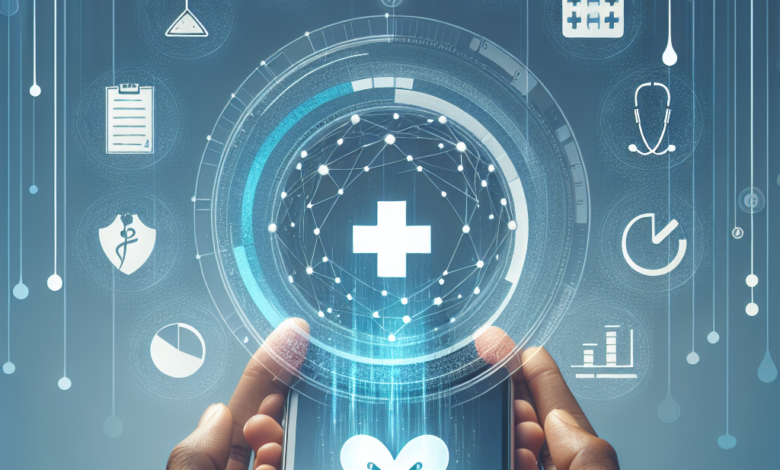
In an era defined by rapid technological advancement, mobile health (mHealth) innovations are transforming the landscape of chronic disease management. Mobile health applications, wearable devices, and telehealth platforms leverage the power of data, enabling individuals to take charge of their health like never before. As chronic diseases continue to rise, the integration of technology into healthcare presents an unprecedented opportunity to enhance patient outcomes and streamline care processes.
The Rise of Chronic Diseases
Chronic diseases such as diabetes, heart disease, and respiratory conditions account for a staggering percentage of global health expenditure. According to the World Health Organization, chronic diseases are responsible for 71% of all global deaths, with a significant burden on individuals and healthcare systems alike. Managing these conditions effectively is essential not only for improving individual health but also for alleviating pressures on healthcare resources.
The Role of mHealth in Chronic Disease Management
Real-Time Data Monitoring
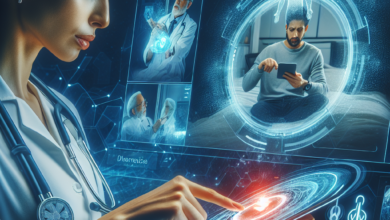
One of the most significant advantages of mHealth technology is its capacity for real-time data monitoring. Wearable devices, such as smartwatches and fitness trackers, can continuously assess vital signs, activity levels, and even glucose levels for diabetic patients. This data allows healthcare providers to gain insights into a patient’s daily habits and health status, enabling timely interventions when necessary.
Personalized Health Insights
mHealth applications utilize algorithms to analyze collected data, offering personalized insights and recommendations tailored to individual health needs. For example, a diabetes management app might suggest dietary changes based on user inputs, current blood sugar levels, and physical activity. This level of personalization fosters greater patient engagement and empowers users to make informed decisions about their health.
Enhanced Communication with Healthcare Providers
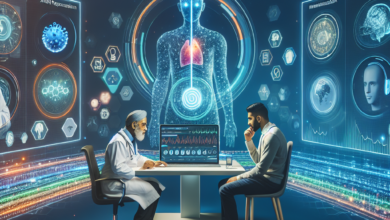
Telemedicine platforms enable seamless communication between patients and healthcare providers, facilitating remote consultations and care management. Through these platforms, patients can share data from their mHealth devices directly with their doctors, who can use the information for more accurate diagnoses and treatment plans. This accessibility reduces the need for frequent in-person visits, saving time and resources for both patients and providers.
Behavioral Support and Motivation
Chronic disease management often requires ongoing behavioral changes. mHealth solutions support users by providing motivational tools, reminders, and educational content tailored to their conditions. For instance, apps may send alerts to remind patients to take medication or perform exercises. Some platforms even incorporate gamification elements, encouraging healthy behaviors through rewards and challenges, thus promoting sustained engagement.
Technology Supporting Human Health
Data Security and Privacy
As data becomes increasingly central to healthcare, concerns about security and privacy are paramount. mHealth applications are designed with robust security protocols to protect sensitive health information, ensuring compliance with regulations such as the Health Insurance Portability and Accountability Act (HIPAA). Users must be educated about the importance of data privacy and choose platforms that prioritize their security.
Integration with Health Systems
The effectiveness of mHealth innovations is further enhanced when they integrate with existing healthcare systems. For instance, data collected from mHealth applications can be synchronized with electronic health records (EHRs), providing healthcare providers with a holistic view of the patient’s health journey. This integration supports coordinated care, allowing for more informed decision-making and reducing the risk of fragmented treatment plans.
Future Directions in mHealth
As technology continues to evolve, the potential for mHealth innovations is boundless. Artificial intelligence (AI) and machine learning are poised to play crucial roles in predictive analytics, helping to identify patients who are at higher risk of complications due to chronic diseases. Furthermore, advancements in remote monitoring technologies could allow for even more comprehensive management of chronic conditions outside traditional healthcare settings.
Conclusion
Harnessing the power of data through mHealth innovations stands as a beacon of hope for chronic disease management. By empowering patients with real-time insights, facilitating communication with healthcare providers, and promoting inspired behavioral changes, technology is revolutionizing the way we approach health and wellness. As we look to the future, the marriage of technology and healthcare promises not only to improve individual health outcomes but also to reshape the broader healthcare landscape, potentially alleviating the burden of chronic diseases on society as a whole. Embracing this technological revolution can lead us towards a healthier, more connected world.