mHealth Success Stories: Real-World Impacts on Patient Outcomes

mHealth Success Stories: Real-World Impacts on Patient Outcomes
The rapid evolution of technology has paved the way for mobile health (mHealth) solutions, which leverage mobile devices to enhance healthcare delivery, patient engagement, and health monitoring. As mHealth continues to gain traction, real-world success stories underline its potential to improve patient outcomes and transform healthcare systems.
What is mHealth?
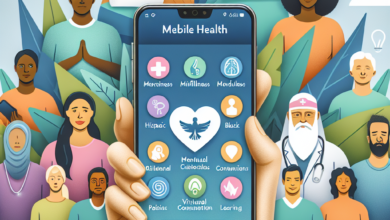
mHealth, a branch of telemedicine, refers to the use of mobile devices, such as smartphones, tablets, and wearables, to support health services and information. This innovative approach encompasses various applications, including health monitoring, medication adherence, chronic disease management, and patient education. The integration of mHealth into healthcare systems is helping to address significant challenges, such as accessibility, affordability, and health literacy.
Success Stories in mHealth
1. Diabetes Management: The Case of mySugr
One of the notable success stories in mHealth is mySugr, an app designed to assist individuals with diabetes. The app allows users to track their blood sugar levels, dietary intake, and exercise. By analyzing this data, mySugr provides personalized insights and reminders for blood sugar testing and medication adherence.
Impact: A study found that users of mySugr experienced a significant reduction in their HbA1c levels, demonstrating improved blood sugar control. This translates into fewer diabetes-related complications, ultimately enhancing the quality of life for patients.
2. Mental Health: Woebot
Woebot is an AI-powered chatbot that provides mental health support. Designed to engage users through conversational techniques, it uses cognitive-behavioral therapy (CBT) principles to help manage anxiety and depression.
Impact: Research indicates that users have reported a decrease in symptoms associated with depression and anxiety after interacting with Woebot. The platform’s ability to provide immediate, personalized support highlights how mHealth can bridge gaps in mental health services, particularly in under-resourced areas.
3. Remote Patient Monitoring: Philips HealthSuite
Philips HealthSuite is a comprehensive platform that supports remote patient monitoring for chronic conditions, such as heart disease and COPD. Through the use of connected devices, patients can monitor vital health metrics from home, while healthcare providers receive real-time data to make informed decisions.
Impact: Studies show that patients utilizing Philips HealthSuite experienced fewer hospitalizations and emergency room visits. By empowering patients to manage their health actively and keeping healthcare providers informed, the platform significantly improves chronic disease outcomes.
Technology Supporting Human Health
1. Wearable Devices
Wearables, like smartwatches and fitness trackers, allow for continuous health monitoring. Devices can track various metrics, including heart rate, physical activity, and sleep patterns.
Impact: By providing real-time feedback, wearables encourage healthier lifestyle choices. Users become more aware of their health habits, leading to better adherence to physical activity recommendations and ultimately improving cardiovascular and metabolic health.
2. Telehealth Integration
Telehealth platforms enhance accessibility to medical expertise. By facilitating virtual consultations, mHealth allows patients to connect with healthcare professionals without geographical constraints.
Impact: Patients in rural areas or those with mobility issues can access essential medical advice and management strategies from the comfort of their homes. This has proven crucial during the COVID-19 pandemic, ensuring that healthcare continues despite lockdowns and social distancing measures.
3. Health Data Analytics
The integration of mHealth applications with data analytics enables healthcare providers to derive actionable insights from patient data. Analyzing trends in health metrics can surface patterns that indicate the need for interventions.
Impact: Improved predictive analytics helps healthcare professionals tailor personalized treatment plans, identify at-risk patients, and enhance overall patient care, leading to better outcomes and more efficient healthcare delivery.
Conclusion
The success stories of mHealth underscore its transformative potential in improving patient outcomes and supporting human health. Through innovative technology, mHealth solutions are breaking down barriers to healthcare access, enhancing patient engagement, and empowering individuals to take charge of their health. As the landscape of healthcare continues to evolve, the integration of mHealth will play a pivotal role in shaping the future of patient care, making healthcare more inclusive, effective, and patient-centered.