From Wearables to Wellness: The Role of mHealth in Preventive Care
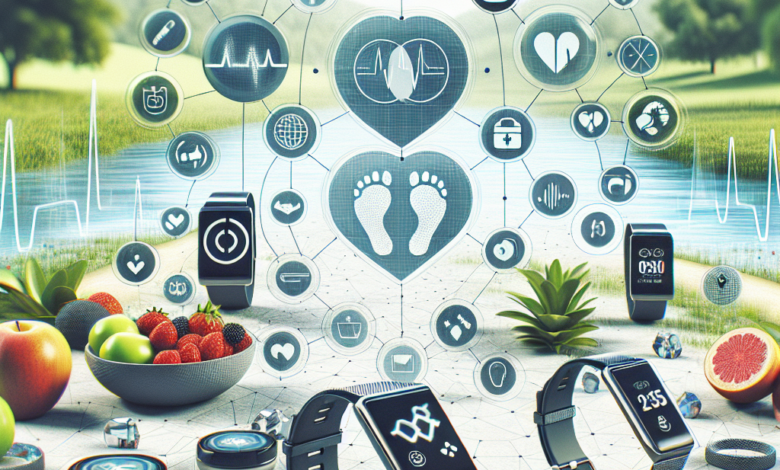
From Wearables to Wellness: The Role of mHealth in Preventive Care
In recent years, the intersection of technology and healthcare has paved the way for transformative shifts in how we approach health and wellness. One of the most significant developments in this space is mobile health (mHealth), leveraging mobile technology to enhance the delivery of health services and information. From wearables that monitor physical activity to mobile applications that track health metrics, mHealth is playing a pivotal role in preventive care, enabling individuals to take charge of their health like never before.
Understanding mHealth
mHealth refers to the use of mobile devices and technology to support public health and clinical practices. This encompasses a wide range of applications, including fitness trackers, telehealth services, mobile health apps, and digital platforms that monitor chronic conditions. The aim is to empower patients with the tools they need to make informed health decisions.
The Rise of Wearable Technology
Wearable technology, such as smartwatches, fitness trackers, and smart clothing, has become ubiquitous. These devices collect data about users’ physical activity, heart rate, sleep patterns, and more. The data harvested can be invaluable for preventive care, helping users identify trends and potential health concerns before they become serious.
For instance, a fitness tracker can alert users about unusual heart rates that may indicate cardiovascular issues. By promptly addressing these anomalies, individuals can seek medical advice before conditions escalate, effectively turning a piece of technology into an early-warning system for health.
Empowering Preventive Care
Preventive care is critical in reducing the burden of chronic diseases, which account for a significant portion of healthcare costs and mortality rates worldwide. mHealth encourages proactive management through:
-
Real-Time Monitoring: Devices can provide instant health feedback, allowing individuals to monitor their conditions and make adjustments promptly.
-
Data Collection: Continuous data gathering leads to more holistic health insights. Individuals can share this information with healthcare providers, allowing for more personalized and accurate treatment plans.
-
Behavioral Change: Many mHealth applications are designed to motivate behavior modifications through gamification, goal-setting, and reminders, like encouraging physical activity or promoting healthier eating habits.
- Accessibility: Mobile technology enables greater access to health information and resources, particularly in underserved areas where traditional healthcare services may be limited.
Supporting Mental Health and Well-being
The expansion of mHealth isn’t limited to physical health; it’s also making inroads into mental well-being. Applications offering guided meditation, stress management techniques, and therapy resources allow users to manage their mental health proactively. This holistic approach recognizes that mental and physical health are interconnected and that maintaining both is essential for overall wellness.
Overcoming Challenges
Despite the benefits, the integration of mHealth in preventive care faces challenges. Patient privacy, data security, and the need for healthcare providers to adapt to new technologies are significant hurdles. Furthermore, health literacy plays a critical role; not all patients are adept at using technology or understanding the data provided to them.
The Future of mHealth
As technology continues to advance, the potential for mHealth in preventive care is boundless. The incorporation of artificial intelligence (AI), machine learning, and data analytics will further refine how health data is interpreted and used. Predictive analytics can anticipate health issues based on user data, enabling even more personalized interventions.
Additionally, the push towards interoperability—ensuring diverse devices and applications can communicate effectively—will enhance the overall user experience, allowing seamless transitions from self-monitoring to professional care.
Conclusion
From wearables to mobile applications, mHealth represents a paradigm shift in preventive care, fostering a culture of proactive health management. By empowering individuals with knowledge and tools, technology is not just changing the way we assess and address health issues; it’s redefining our relationship with health itself. As we move forward, embracing these innovations could lead us to healthier lives and, ultimately, a more resilient healthcare system. The journey from wearables to wellness is just beginning, and the future holds exciting possibilities for promoting better health for all.