The Impact of mHealth on Mental Health Treatment
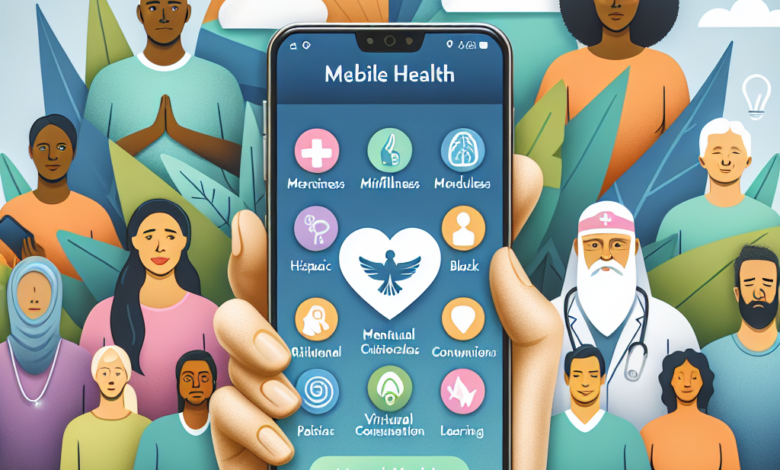
In recent years, mobile health applications, commonly referred to as mHealth, have emerged as a transformative force in healthcare, especially in mental health treatment. With the increasing prevalence of mental health disorders globally, the integration of technology into healthcare has opened up new avenues for support, diagnosis, and treatment. This article explores the impact of mHealth on mental health treatment and how technology is reshaping the landscape of human health.
Understanding mHealth
mHealth encompasses a wide range of mobile technologies, including apps, wearable devices, and remote monitoring systems designed to promote health and wellness. In the mental health domain, mHealth tools facilitate various aspects of treatment—from mood tracking and medication adherence to providing therapeutic interventions and facilitating real-time communication with healthcare providers.
Enhancing Access to Care
One of the most significant contributions of mHealth to mental health treatment is its ability to enhance access to care. Traditional mental health services often face barriers such as long waiting times, stigma, and limited availability of providers. mHealth applications provide individuals with immediate access to mental health resources, allowing them to seek help conveniently and discreetly from their phones.
Breaking Down Geographic Barriers
For individuals in remote or underserved areas, mHealth services can eliminate physical distance barriers to care. Teletherapy and virtual support groups enable people to connect with mental health professionals regardless of their location, which can be especially beneficial for those with limited access to traditional healthcare facilities.
Personalized Treatment Approaches
mHealth applications can offer personalized treatment approaches by utilizing data analytics to track users’ behaviors, thoughts, and emotions. Many applications provide mood tracking features, allowing users to record their emotional states and identify patterns over time. This personalized data can help mental health providers make informed decisions about treatment plans, creating more tailored therapeutic strategies.
Guided Interventions
Certain mHealth apps provide users with guided cognitive-behavioral techniques, stress management strategies, and mindfulness exercises. By equipping users with tools to cope with anxiety, depression, and other mental health challenges, these applications empower individuals to take an active role in their wellness journey.
Fostering Community and Support
Isolation is a common challenge faced by individuals with mental health conditions. mHealth applications help combat this issue by fostering community and connection. Platforms that facilitate peer-to-peer support groups or forums encourage users to share experiences, insights, and encouragement. This sense of belonging can significantly improve users’ mental health outcomes by reducing feelings of isolation.
Real-Time Monitoring and Support
Wearable technology and mobile applications offer real-time monitoring capabilities to both users and healthcare professionals. Sleep patterns, heart rate variability, and physical activity levels can be tracked to provide insights into an individual’s mental health status. Healthcare providers can use this data to intervene promptly when users exhibit signs of distress, resulting in timely support.
Challenges and Considerations
Despite the numerous benefits, integrating mHealth into mental health treatment is not without challenges. Data privacy and security are paramount concerns, as sensitive mental health information can be vulnerable to breaches. It is crucial for developers and healthcare providers to work collaboratively to ensure that users’ data is protected and that applications are compliant with healthcare regulations.
Additionally, while technology can enhance treatment, relying solely on mHealth applications might not be suitable for everyone. Individuals with severe mental health issues may still require traditional in-person therapy and medical intervention.
Conclusion
mHealth is revolutionizing mental health treatment by making care more accessible, personalized, and timely. As technology continues to evolve, so too will its applications in supporting human health, paving the way for a future where mental health care is more integrated and responsive than ever before. By leveraging the potential of mHealth, we can transform how individuals manage their mental health, ultimately leading to improved health outcomes and a better quality of life.