Calories In vs. Calories Out: The Surprising Role of the Thermic Effect of Food
The Surprising Role of the Thermic Effect of Food
Understanding the Basics
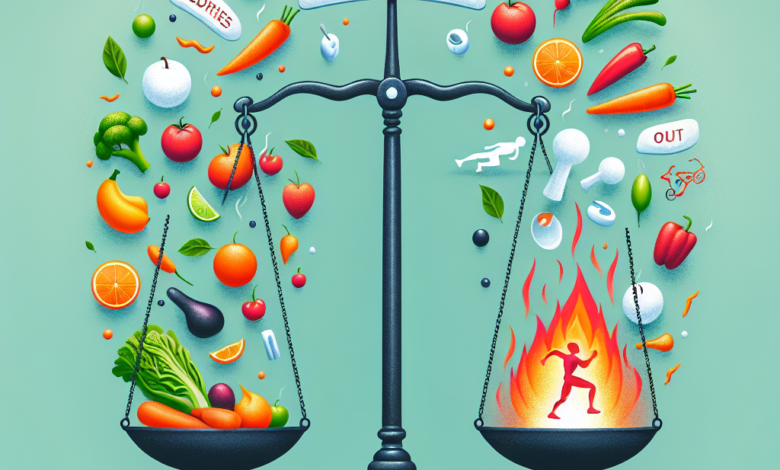
In the world of weight management, the concept of calories in versus calories out is often emphasized. Essentially, to lose weight, you must burn more calories than you consume. This principle is fundamental, but there’s more to the story, particularly when it comes to the role of the thermic effect of food (TEF).
What is the Thermic Effect of Food?
The thermic effect of food refers to the energy expended by our bodies to digest, absorb, and metabolize nutrients. It is a crucial component of total daily energy expenditure (TDEE) and can vary significantly depending on the types of foods we consume.
How TEF Affects Caloric Burn
Different macronutrients have different thermic effects:
- Protein: Has the highest thermic effect, accounting for approximately 20-30% of the calories consumed.
- Carbohydrates: Follow with a thermic effect of about 5-15%.
- Fats: Have the lowest thermic effect, at about 0-5%.
This means that consuming a diet rich in protein can lead to a higher caloric burn through digestion compared to a diet high in fats.
The Implications of TEF on Dieting
Understanding the thermic effect of food can provide valuable insights for those looking to lose weight or maintain a healthy lifestyle. Here are a few key points:
- Incorporating more protein-rich foods can boost metabolism and aid in weight management.
- Quality of calories matters—whole, unprocessed foods generally have a higher thermic effect than processed foods.
- Balanced meals containing all macronutrients can optimize TEF and enhance overall energy expenditure.
Conclusion
While the foundation of weight management rests on the balance of calories in and calories out, the thermic effect of food adds another layer to this equation. By understanding and leveraging TEF, individuals can make more informed dietary choices that support their weight management goals. The next time you plan a meal, remember that what you eat truly matters—not just in terms of quantity, but also regarding quality.