Metabolism Myths Busted: What Really Works to Fire Up Your Fat-Burning Engine
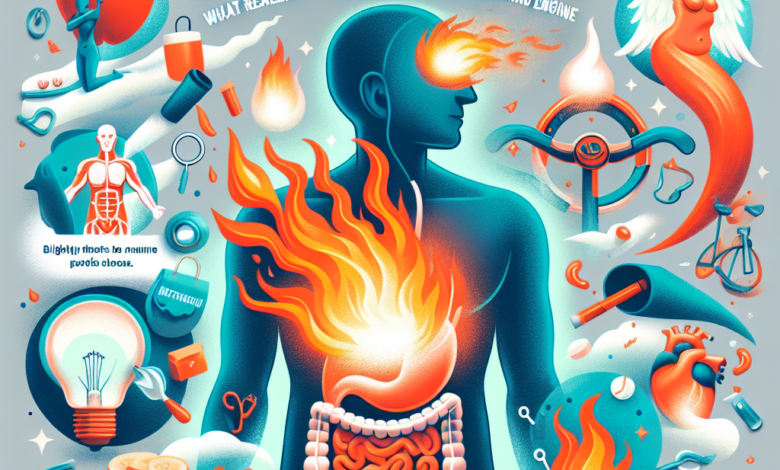
Metabolism is a critical aspect of how our bodies convert food into energy and, ultimately, how we maintain or lose weight. It’s often surrounded by misconceptions that can lead to confusion. In this article, we will debunk some of the most common metabolism myths and highlight what genuinely works to boost your fat-burning engine.
Myth 1: Skipping Meals Boosts Metabolism
Many believe that skipping meals can help in weight loss by reducing calorie intake. However, this can actually slow down your metabolism. When you skip meals, your body goes into survival mode, conserving energy and reducing the metabolic rate.
Myth 2: Eating Small Meals Increases Metabolism
It’s commonly said that eating small, frequent meals keeps your metabolism revved up. While meal frequency can help you manage hunger, research shows that it doesn’t significantly impact your overall metabolic rate. What’s more important is the total calorie intake and the nutritional quality of those meals.
Myth 3: Genetics Are the Sole Determinant of Metabolism
While genetics play a role in determining your basal metabolic rate (BMR), they are not the only factor. Lifestyle choices, such as diet, exercise, and sleep, have a significant influence on how efficiently your metabolism operates.
Myth 4: You Can’t Change Your Metabolism
Contrary to this popular belief, you can influence your metabolism through lifestyle changes! Engaging in regular physical activity, especially strength training, can increase muscle mass and, in turn, improve your metabolic rate.
What Really Works to Fire Up Your Fat-Burning Engine?
- Strength Training: Muscle burns more calories at rest than fat, making strength training an effective way to boost your metabolism.
- High-Intensity Interval Training (HIIT): This training style can elevate your metabolic rate even after your workout is finished.
- Stay Hydrated: Drinking water can temporarily boost metabolism. Cold water may have an even greater effect as your body works to warm it up.
- Protein-Rich Foods: Eating a high-protein diet can increase the thermic effect of food (TEF), which is the energy required to digest, absorb, and process nutrients.
- Get Enough Sleep: Poor sleep can negatively affect your metabolism, leading to weight gain and difficulties in losing weight.
Conclusion
Understanding metabolism can empower you to make better choices for your health and fitness. By debunking these myths and focusing on scientifically-backed strategies, you can effectively fire up your fat-burning engine and achieve your weight management goals. Always consult with a healthcare provider or a nutrition expert before making significant changes to your diet or exercise routine.