How to Incorporate Cardio for Optimal Weight Loss Results
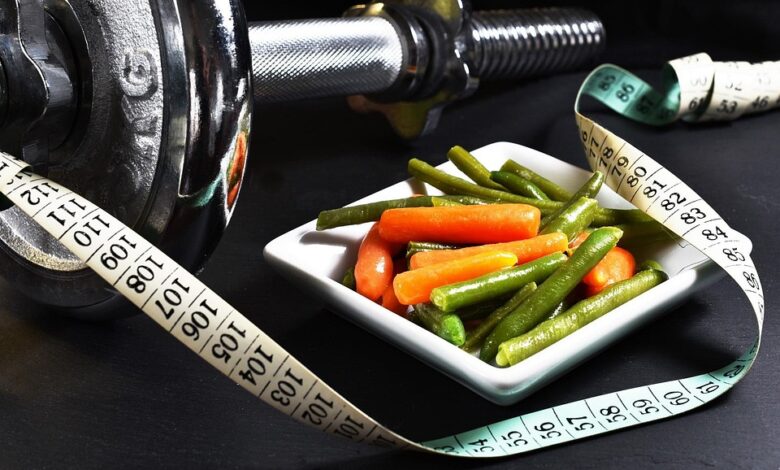
Weight loss can be an intricate journey, requiring a balanced approach that combines diet, strength training, and cardiovascular (cardio) exercises. While weight management may seem straightforward—burning more calories than you consume—a strategic incorporation of cardio can supercharge your efforts, enhance results, and improve overall health. Here’s how to effectively include cardio in your weight loss plan.
Understanding Cardio
Cardio exercises elevate your heart rate, allowing your body to burn calories from fat stored in your tissues. Common forms of cardio include:
- Running or Jogging
- Cycling
- Swimming
- Brisk Walking
- Jump Rope
- High-Intensity Interval Training (HIIT)
Each of these can help increase your cardiovascular fitness, improve endurance, and elevate your mood, thanks to the endorphins they release.
Creating a Balanced Routine
1. Set Clear Goals
Before diving in, define what you want to achieve. Are you looking to lose a specific amount of weight? Improve your cardiovascular fitness? Your goals will inform your approach.
2. Mix Cardio Types
Variability is key. Combining different types of cardio can prevent boredom and decrease the risk of injury. Here’s a balanced schedule:
- Low-Intensity Steady State (LISS): Activities like brisk walking or light cycling for about 30-60 minutes, 3-4 times a week.
- Moderate-Intensity Aerobic Activity: Engaging in activities like jogging or swimming for 25-45 minutes, 2-3 times a week.
- High-Intensity Interval Training (HIIT): Short bursts of intense exercise followed by recovery periods for about 20-30 minutes, 1-2 times a week. HIIT can burn more calories in a shorter time and may provide additional metabolic benefits.
3. Incorporate Cardio into Daily Life
Look for opportunities to add cardio into your daily routine. Simple adjustments can make a significant difference:
- Take the stairs instead of the elevator.
- Incorporate walking meetings at work.
- Park further away when shopping or commuting.
4. Listen to Your Body
Be mindful of your body’s signals. If you experience pain or excessive fatigue, consider scaling back. Recovery is essential to avoid burnout and potential injuries.
5. Prioritize Consistency
Consistency trumps intensity for long-term results. Choose a realistic and sustainable schedule that fits into your lifestyle. Establishing a regular routine makes it easier to maintain momentum.
Nutrition and Cardio: A Synergistic Approach
Cardio alone won’t provide optimal weight loss results. It should work synergistically with your nutrition plan:
- Balanced Diet: Focus on whole foods, including fruits, vegetables, lean proteins, and healthy fats. Ensure you’re in a caloric deficit—burning more calories than you consume.
- Hydration Is Key: Proper hydration can enhance your cardio performance and recovery, as well as curb unnecessary snacking.
- Meal Timing: Consider timing your meals around your workouts. A small carb-rich snack before cardio may provide a needed boost, while protein afterward can support muscle recovery.
Tracking Your Progress
Monitor your progress by:
- Keeping a Workout Journal: Documenting your cardio sessions can help you understand what works best for you.
- Measuring Your Weight and Body Composition: Take weekly measurements to track changes, but remember that weight is not the sole indicator of success.
- Using Fitness Apps: These can provide insights into your activity levels and caloric burn.
Final Thoughts
Incorporating cardio for optimal weight loss isn’t just about the activity itself; it requires a comprehensive strategy that includes diet, strength training, and proper recovery. By setting clear goals, varying workouts, staying consistent, and fueling your body adequately, you can maximize your weight loss efforts and ultimately achieve a healthier lifestyle. Remember, patience and persistence are key—embrace the journey, and celebrate every small victory along the way!