Food: The Hidden Catalyst for Your Metabolism – Understanding the Thermic Effect
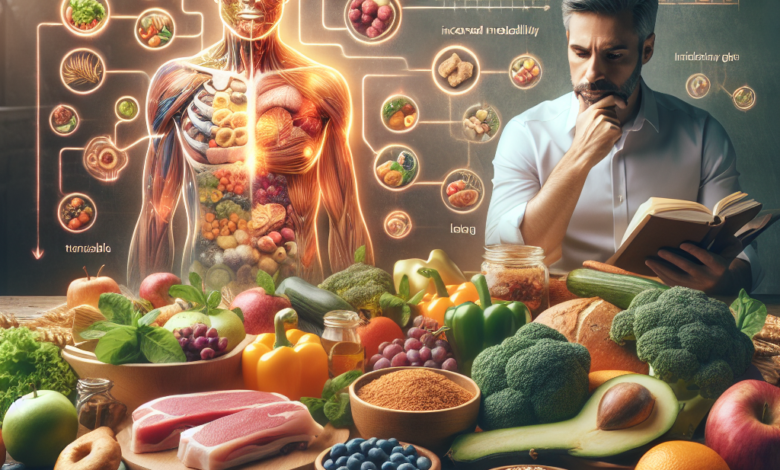
The relationship between food and metabolism is often overlooked, yet it plays a crucial role in how our bodies function. One key area of this relationship is the Thermic Effect of Food (TEF), which describes the energy required to digest, absorb, and process the nutrients in the food we consume. Understanding TEF can provide insight into how various foods can act as catalysts for metabolic processes.
What is the Thermic Effect of Food?
The Thermic Effect of Food is a component of the total daily energy expenditure (TDEE), which also includes basal metabolic rate (BMR) and physical activity. TEF represents roughly 10% of total caloric expenditure in most individuals. This means that if you consume 2000 calories a day, about 200 calories are used just for digestion and processing of food.
How Does TEF Work?
When you eat, your body goes through a series of metabolic processes to break down the food into usable components. These processes include:
- Digestion: The mechanical and chemical breakdown of food in the stomach and intestines.
- Absorption: The transfer of nutrients from the digestive tract into the bloodstream.
- Storage: The conversion of nutrients into forms that can be stored for later use, such as glycogen and fat.
Each of these steps requires energy, which contributes to the thermic effect.
Factors Influencing the Thermic Effect
The thermic effect of food can be influenced by several factors, including:
- Type of Nutrient: Protein has a higher thermic effect compared to fats and carbohydrates. This means that eating protein-rich foods can lead to a higher rate of calorie expenditure during digestion.
- Meal Size: Larger meals require more energy to digest, thus increasing TEF.
- Meal Frequency: Frequent smaller meals may lead to a higher cumulative TEF compared to fewer, larger meals.
- Individual Differences: Metabolic rates can vary significantly from person to person based on genetics, age, and lifestyle factors.
Foods to Boost Your Metabolism
Incorporating certain foods into your diet can significantly enhance your metabolism through their thermic effect. Some of these foods include:
- Lean Proteins: Chicken, turkey, fish, beans, and legumes.
- Spices: Foods with high spice content such as chili peppers can increase TEF.
- Whole Grains: Quinoa, brown rice, and oats require more energy to digest compared to refined grains.
- Cruciferous Vegetables: Broccoli, cauliflower, and Brussels sprouts are not only healthy but also have a higher thermogenic effect.
Conclusion
Food is not just a source of energy; it plays an essential role in our metabolic health through the thermic effect. By understanding how different foods impact our metabolism, we can make informed dietary choices that enhance energy expenditure, support weight management, and contribute to overall health. Incorporating foods with a higher thermic effect into your meals is a simple yet effective strategy to boost your metabolism and improve your health.