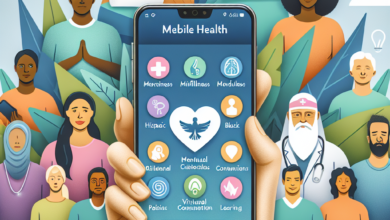
The Future of Healthcare: Embracing Telemedicine in a Digital Age

In recent years, the landscape of healthcare has undergone a profound transformation, particularly highlighted by the rapid growth of telemedicine. As we find ourselves in an increasingly digital age, technology plays an essential role in shaping the future of healthcare. This shift towards virtual care is not only a response to the challenges posed by the COVID-19 pandemic but also a proactive step towards a more accessible, efficient, and patient-centered healthcare system.
The Rise of Telemedicine
Telemedicine, the remote diagnosis and treatment of patients through telecommunications technology, has become a vital component of healthcare delivery. Initially met with skepticism, it has now gained widespread acceptance among patients and providers alike. Factors such as convenience, accessibility, and the need for ongoing care during the pandemic have driven this surge.
Accessibility and Equity
One of the most significant advantages of telemedicine is its potential to increase accessibility to healthcare services. Patients who live in remote areas or lack reliable transportation can now consult healthcare professionals with minimal barriers. This technological advancement is essential in addressing healthcare disparities, ensuring that vulnerable populations receive necessary care. Rural communities, low-income families, and individuals with disabilities can greatly benefit from telehealth services.
Technology Supporting Human Health
As telemedicine continues to expand, various technologies are playing a crucial role in supporting human health. These innovations not only enhance the telehealth experience but also improve health outcomes overall.
Wearable Health Devices
The advent of wearable technology has empowered patients by providing real-time health monitoring. Devices such as fitness trackers, smartwatches, and heart rate monitors enable users to track their health metrics, allowing for proactive healthcare management. These devices can transmit data directly to healthcare providers, facilitating more personalized treatment plans and keeping patients engaged in their health journey.
Artificial Intelligence and Machine Learning
Artificial intelligence (AI) and machine learning are revolutionizing patient care in various ways. AI algorithms analyze vast amounts of health data to identify patterns, predict potential health issues, and assist in clinical decision-making. For instance, AI-powered chatbots can provide patients with immediate responses to non-emergency queries, while predictive analytics can help identify patients at risk of hospital readmission.
Enhanced Communication Platforms
Video conferencing tools, secure messaging apps, and electronic health record (EHR) systems have evolved to improve communication between patients and healthcare providers. These platforms ensure that medical history, prescriptions, and treatment plans are shared effortlessly, creating a seamless healthcare experience. Improved communication also fosters stronger patient-provider relationships, increasing patient satisfaction and adherence to treatment plans.
Integrated Health Systems
Tech advancements allow for integrated healthcare systems that connect various providers, specialists, and facilities. Such integration promotes coordinated care across disciplines, minimizing duplication of services and improving overall patient outcomes. Patients can seamlessly transition from one provider to another, ensuring continuity of care, which is particularly important for individuals with chronic conditions.
Challenges and Considerations
While the shift towards telemedicine offers numerous benefits, it is not without challenges. Issues such as data privacy and security, regulatory compliance, and reimbursement policies remain critical concerns. Ensuring that patient data is protected while maintaining accessibility is paramount. Additionally, there exists a digital divide, where individuals without internet access or technological literacy may be left behind.
The Road Ahead
The future of healthcare lies in the combination of telemedicine, technology, and human touch. As healthcare systems and providers embrace telehealth, they must prioritize training, education, and equitable access to technology. By addressing the challenges and capitalizing on technological advancements, the healthcare industry can foster a more inclusive, efficient, and patient-centered environment.
As we move further into the digital age, the fusion of technology and healthcare promises a future where personalized, preventative, and accessible care is the norm. Telemedicine is not merely an alternative modality; it is fundamentally reshaping how we approach health and wellness. By leveraging these advancements, we have the opportunity to create a healthier, more connected world.
In conclusion, embracing telemedicine in a digital age is not just a trend; it is an evolution of how we perceive and engage with healthcare. As we look ahead, the integration of technology into healthcare practices will continue to forge new paths toward improved human health and well-being.