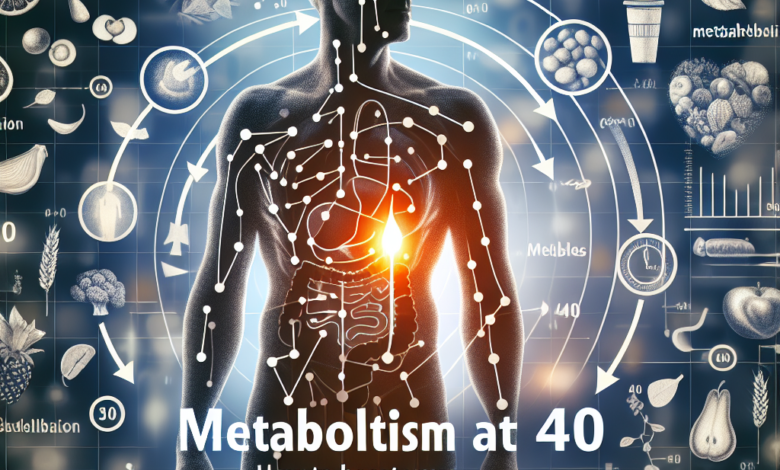
Metabolism at 40: How to Boost Your Body’s Burn Rate
As we age, our metabolism naturally begins to slow down. By the time we hit 40, many people notice that their bodies are not burning calories as efficiently as they once did. This can lead to unwanted weight gain and other metabolic issues. However, there are several ways to give your metabolism a much-needed boost. Below, we explore effective strategies to help you increase your body’s burn rate.
Understanding Metabolism
Metabolism is the process by which your body converts food into energy. It encompasses a variety of biological processes, including:
- Basal Metabolic Rate (BMR): The number of calories your body needs at rest to maintain basic functions.
- Thermogenesis: The energy expended in digesting, absorbing, and processing food.
- Physical Activity: Any movement that burns calories, including exercise and daily activities.
Why Metabolism Slows Down
Several factors contribute to a slower metabolism as you reach the age of 40:
- Muscle Loss: Muscle mass tends to decrease with age, resulting in a lower BMR.
- Hormonal Changes: Changes in hormone levels, particularly the decline of testosterone and estrogen, can affect metabolic rate.
- Decreased Activity: A typically more sedentary lifestyle can reduce the number of calories burned daily.
Top Strategies to Boost Your Metabolism
1. Increase Your Muscle Mass
Resistance training is key to building and maintaining muscle mass. Incorporating weightlifting or bodyweight exercises into your routine can help elevate your BMR, allowing you to burn more calories even at rest.
2. Stay Active
Engaging in regular physical activity, including cardio and everyday movements (like walking or gardening), can help keep your metabolism revved up. Aim for at least 150 minutes of moderate aerobic activity each week.
3. Eat Enough Protein
Consuming adequate protein can help preserve muscle mass, especially important as you age. Protein also has a higher thermic effect than fats or carbohydrates, meaning your body burns more calories digesting it.
4. Stay Hydrated
Drinking sufficient water can temporarily boost your metabolism. Studies suggest that even mild dehydration can slow metabolism, so aim for the recommended eight 8-ounce glasses a day, or more if you’re active.
5. Get Enough Sleep
Quality sleep is crucial for metabolic health. Lack of sleep can lead to hormonal imbalances that may drive appetite and cravings, making it harder to maintain a healthy weight. Aim for 7-9 hours of restorative sleep each night.
6. Manage Stress Levels
Chronic stress can lead to hormonal changes that negatively affect metabolism. Incorporating stress-reducing practices, such as yoga, meditation, or even a hobby, can help keep stress in check.
Conclusion
While it’s natural for metabolism to slow down with age, there are actionable steps you can take to revitalize your body’s burn rate. By focusing on exercise, nutrition, sleep, and stress management, you can maintain an efficient metabolism well into your 40s and beyond.