Mobile Health in Rural Areas: Expanding Access to Care
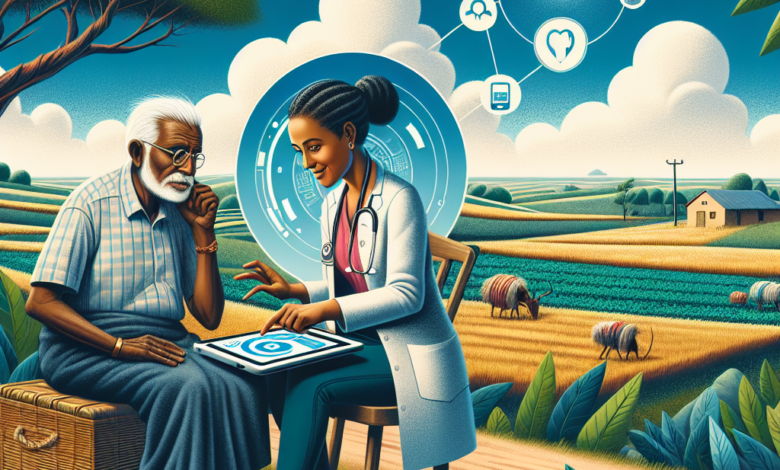
In the quest for equitable healthcare, mobile health (mHealth) applications are revolutionizing the way health services are delivered, particularly in rural settings. With significant challenges ranging from geographical barriers to a lack of healthcare infrastructure, rural areas often face difficulties in accessing essential medical services. By harnessing technology, mHealth is bridging these gaps, expanding access, and ultimately enhancing human health.
The Challenge of Access in Rural Areas
Rural communities frequently experience a shortage of healthcare providers, leading to limited access to necessary health services. Long travel distances to healthcare facilities can deter individuals from seeking medical care, resulting in worsening health outcomes. Additionally, rural populations may have higher rates of chronic diseases and lower health literacy, complicating their engagement with healthcare.
The Role of Mobile Health
mHealth refers to the use of mobile devices—like smartphones, tablets, and wearable technology—to support health services and information. This approach leverages the widespread use of mobile technology to provide accessible healthcare solutions, supporting prevention, diagnosis, treatment, and ongoing management of health conditions.
1. Telemedicine
One of the most impactful applications of mHealth is telemedicine, which allows healthcare providers to deliver consultations, diagnoses, and follow-up care remotely. By utilizing video conferencing and messaging platforms, patients can connect with healthcare professionals without the need for travel. This saves time for both patients and providers while maintaining continuity of care.
2. Health Monitoring Apps
Mobile applications enable rural residents to monitor their health in real-time. For instance, diabetes management apps help users track blood sugar levels, diet, and exercise, while enabling seamless communication with healthcare providers. Such tools empower patients to take an active role in managing their conditions, promoting better health outcomes.
3. Health Education and Resources
Access to health information is crucial for informed decision-making. mHealth apps can deliver culturally appropriate educational content on various health topics, including nutrition, mental health, and disease prevention. This empowers individuals with knowledge and resources to make informed health decisions, combating misinformation and improving health literacy.
4. Emergency Services Access
In emergencies, quick access to healthcare can be life-saving. mHealth technologies can facilitate faster response times by enabling users to contact emergency services directly. Additionally, GPS features can guide first responders to remote locations more efficiently, ensuring timely care during critical situations.
5. Community Building
Mobile health initiatives can enhance community engagement by connecting users with local health resources and support networks. Platforms can facilitate peer support groups, where individuals share experiences, tips, and emotional support, reducing the sense of isolation often felt in rural areas.
The Impact of Technology on Human Health
The integration of mobile health into rural healthcare systems is yielding significant benefits:
-
Increased Access to Care: Patients can receive timely consultations and follow-up care, which is crucial for chronic disease management.
-
Cost-Effectiveness: By reducing the need for travel and expediting care, mHealth can lower overall healthcare costs for both patients and healthcare systems.
-
Improved Public Health Monitoring: Real-time data collection through mobile health apps can provide valuable insights into community health trends, aiding public health initiatives and resource allocation.
- Enhanced Patient Engagement: With tools at their fingertips, patients are more engaged in their health management, leading to better adherence to treatment plans and improved health outcomes.
Conclusion
Mobile health represents a crucial advancement in expanding healthcare access in rural areas. By harnessing technology, mHealth initiatives are breaking down barriers, providing essential services, and improving overall health outcomes for underserved populations. As we move forward, continued investment and innovation in mobile health technology will be essential for sustaining this positive momentum and ensuring that all individuals have the opportunity to receive the care they need, regardless of their geographic location.