“Cognitive Behavioral Therapy: A Closer Look at Its Mechanisms and Efficacy”
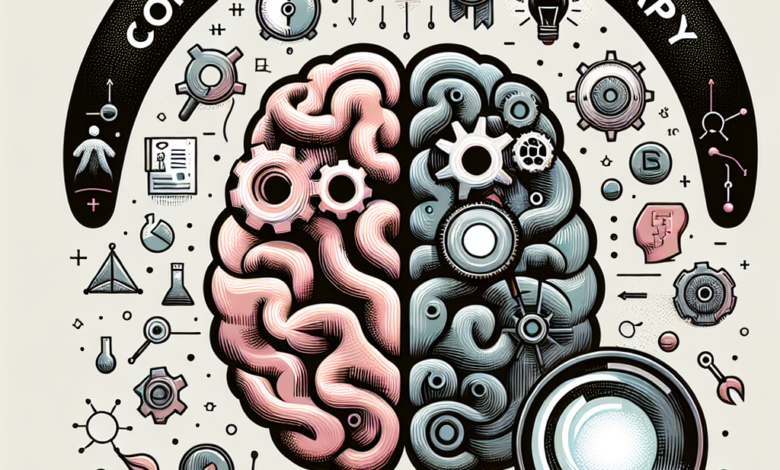
Introduction
Cognitive Behavioral Therapy (CBT) has emerged as a leading therapeutic approach in the field of mental health. It aims to identify and challenge negative thought patterns and behaviors, promoting healthier thinking and coping strategies.
Mechanisms of CBT
CBT operates on several key mechanisms:
- Cognitive Restructuring: Patients learn to identify and challenge dysfunctional thoughts.
- Behavioral Activation: Encouraging engagement in activities that align with personal values.
- Exposure Therapy: Gradually exposing patients to feared situations to reduce avoidance behaviors.
- Skills Training: Developing coping strategies for managing stress and emotional responses.
Efficacy of CBT
Research has shown that CBT is effective for a variety of psychological conditions, including:
- Anxiety Disorders
- Depression
- Obsessive-Compulsive Disorder (OCD)
- Post-Traumatic Stress Disorder (PTSD)
- Eating Disorders
According to multiple studies and meta-analyses, approximately 60-70% of patients experience significant improvement after completing CBT.
Conclusion
As a structured and goal-oriented therapy, CBT offers an effective way to address various mental health issues. Its focus on changing thought patterns and behaviors not only fosters immediate relief but also equips individuals with tools for long-term mental well-being.