“Unraveling the Gut-Brain Connection: How Microbiome Influences Mental Well-Being”
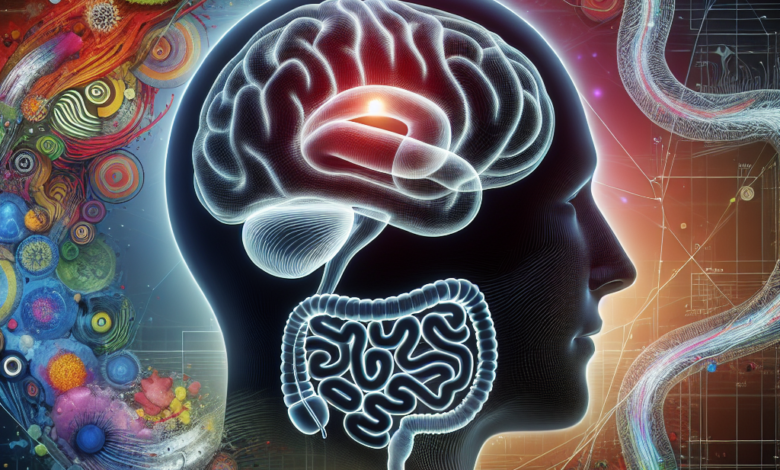
How Microbiome Influences Mental Well-Being
The Gut-Brain Axis
The gut-brain connection is a fascinating area of research that delves into the relationship between our digestive system and our brain. Recent studies have indicated that the microbiome—the trillions of microorganisms residing in our gut—plays a pivotal role in influencing our mental health and emotional well-being.
Understanding the Microbiome
The microbiome consists of bacteria, viruses, fungi, and other microorganisms. This complex ecosystem is crucial for digestion, metabolism, and immune function. However, emerging evidence highlights its influence on mood, behavior, and even cognitive function, suggesting that the gut is often referred to as the “second brain.”
The Science Behind the Connection
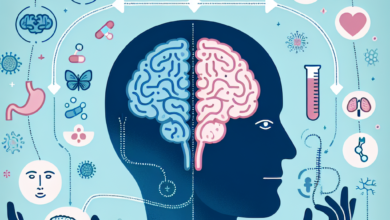
Research suggests that gut bacteria communicate with the brain through various pathways, including the vagus nerve, neurotransmitters, and the immune system. For instance, certain gut bacteria can produce neurotransmitters like serotonin and gamma-aminobutyric acid (GABA) that are crucial in mood regulation.
Impact of Diet on Mental Health
Your diet directly impacts your gut health. Foods rich in fiber, fermented foods, and probiotics can help promote a healthy microbiome. Conversely, high-sugar and processed foods can lead to dysbiosis—a microbial imbalance that may contribute to mental health disorders such as anxiety and depression.
Exploring Psychological Disorders
Studies have shown a connection between gut health and psychological disorders. For example, individuals with irritable bowel syndrome (IBS) often experience comorbidities like anxiety and depression. Some clinical trials have demonstrated that probiotics may alleviate symptoms of these conditions, suggesting that improving gut health could yield positive effects on mental well-being.
Practical Steps to Improve Gut-Brain Health
- Eat a Balanced Diet: Incorporate a variety of fruits, vegetables, whole grains, and fermented foods.
- Stay Hydrated: Drinking plenty of water is essential for maintaining gut health.
- Manage Stress: Engage in mindfulness practices, such as meditation or yoga, to help reduce stress levels.
- Regular Exercise: Physical activity can promote a healthy microbiome and enhance mental well-being.
- Consult Healthcare Providers: For personalized recommendations, consider speaking with a nutritionist or a healthcare professional.
Conclusion
The gut-brain connection is a complex but increasingly understood aspect of human health. As research continues to unfold, it becomes clearer that our diet and gut health are not just vital for physical wellness but play a significant role in our mental well-being. By focusing on nurturing our microbiome, we may be taking meaningful steps towards enhancing our mental health.